METHYL ACETATE- MEAC
METHYL ACETATE- MEAC
METHYL ACETATE
High-Performance Solvent | Fast Evaporation | Superior Dissolving Power
Product Overview
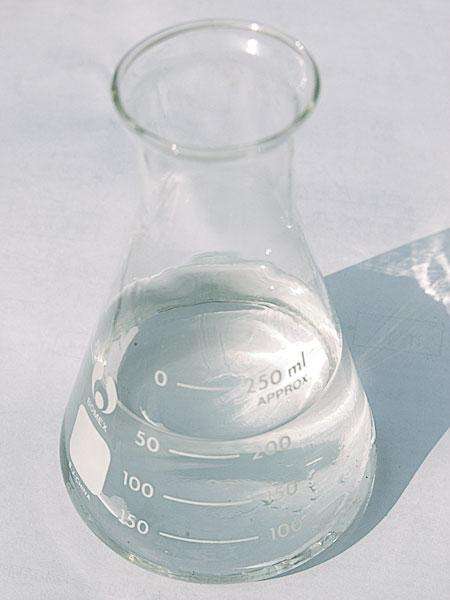
Methyl Acetate (also known as Acetic Acid Methyl Ester) is a high-purity, fast-evaporating organic ester solvent. Produced through the esterification of acetic acid and methanol, this colorless, transparent liquid features a pleasant fruity odor and outstanding solvency. Its balanced volatility and broad compatibility make it an essential raw material across multiple industrial sectors, from coatings to synthetic leather manufacturing.
Key Specifications & Physical Properties
| Parameter | Specification |
|---|---|
| Chemical Name | Methyl Acetate / Acetic Acid Methyl Ester |
| CAS Number | 79-20-9 |
| Molecular Formula | C₃H₆O₂ |
| Molecular Weight | 74.08 |
| Appearance | Colorless clear liquid, fruity odor |
| Melting Point | -98.7℃ |
| Boiling Point | 56.9℃ – 57.8℃ |
| Density (20℃) | Approx. 0.93 g/cm³ |
| Flash Point (Closed Cup) | Approx. -10℃ |
| Explosive Limit | 3.1% – 16.0% (in air) |
Methyl Acetate is partially miscible with water but fully compatible with ethanol, ether, chloroform, benzene, and most organic solvents. Its vapor is heavier than air and tends to accumulate in low-lying areas.
Key Performance Advantages
Superior Dissolving Capability
Methyl Acetate exhibits excellent solvency for a wide range of high-molecular-weight resins, including nitrocellulose, cellulose acetate, vinyl resins, and phenolic resins. Its dissolving strength is comparable to that of ethyl acetate and butyl acetate, making it a versatile choice for complex formulations.
Rapid Evaporation for Higher Productivity
With its low boiling point and high evaporation rate, Methyl Acetate significantly accelerates coating and drying processes. This quick-drying characteristic translates directly into shorter cycle times and increased throughput, particularly valuable in high-speed industrial applications.
Controlled Hydrolysis Stability
While Methyl Acetate undergoes slow hydrolysis in the presence of moisture (yielding acetic acid and methanol), proper sealing and low-moisture storage conditions effectively mitigate this reaction, ensuring consistent product performance throughout its shelf life.
Major Application Fields
Coatings & Paints
Widely employed as a fast-evaporating solvent in nitrocellulose lacquers, cellulose-based paints, and spray coatings, delivering smooth finishes and rapid drying for automotive, furniture, and industrial refinishing.
Synthetic Leather & Artificial Leather Production
Essential in polyurethane (PU) synthetic leather manufacturing, where it functions as a primary resin solvent and process aid, contributing to uniform coating and enhanced surface quality.
Adhesives & Printing Inks
Its excellent solvency and volatility make it an ideal component in adhesives and printing ink formulations, improving pigment dispersion, flow properties, and substrate adhesion.
Chemical Synthesis & Extraction
Serves as a reaction medium in various organic syntheses and as an extracting agent for oils, fats, and flavors. It also acts as a key intermediate in the production of pharmaceuticals, agrochemicals, and dye intermediates.
Flavors & Fragrances
Leveraging its characteristic fruity note, Methyl Acetate is used in limited quantities to formulate food flavors and cosmetic fragrances, adding a subtle sweet top note.
Packaging, Storage & Safety
Packaging Options
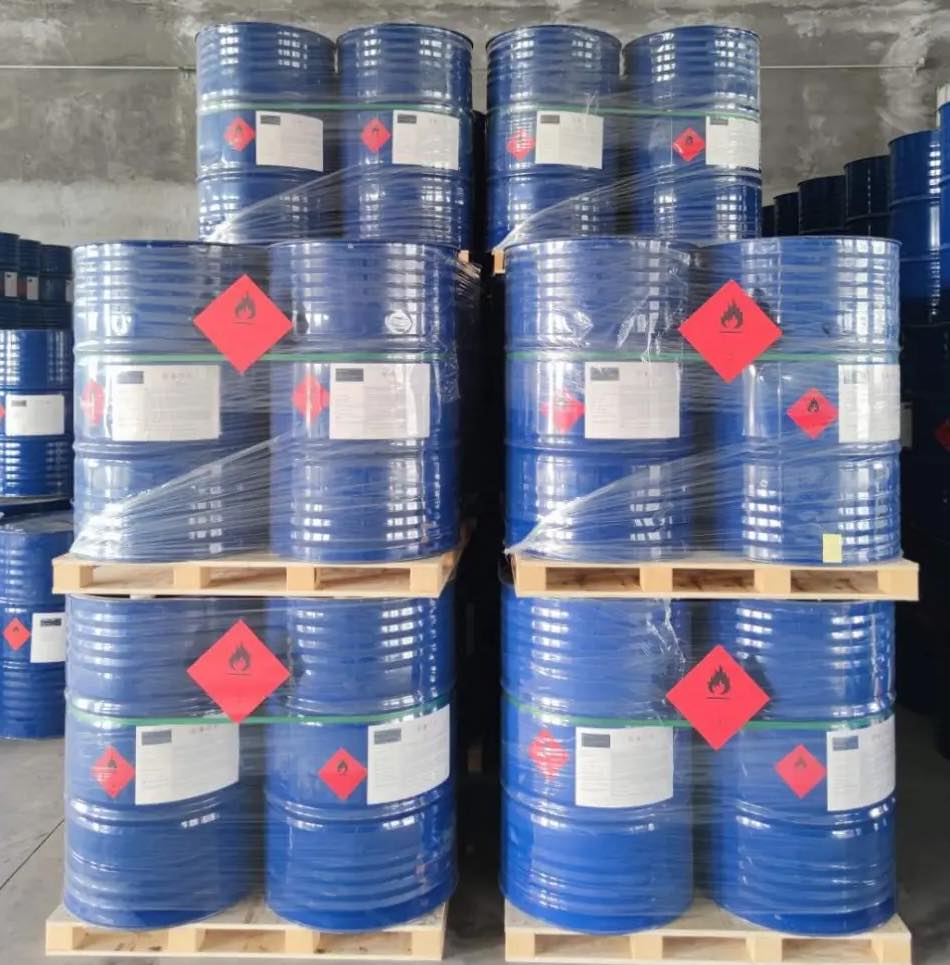
Supplied in clean, dry, tightly sealed galvanized steel drums or custom bulk containers, all compliant with international transport and safety regulations.
Storage Guidelines
Store in a cool, well-ventilated, dedicated warehouse away from ignition sources and direct heat (recommended temperature ≤37℃). Keep strictly separated from strong oxidizers, acids, and alkalis. Maintain airtight containers to prevent moisture ingress.
Safety Precautions
Methyl Acetate is a flammable liquid with a low flash point. All handling areas must be equipped with explosion-proof electrical systems and strict no-smoking/no-open-flame policies. Vapor exposure may irritate eyes, skin, and respiratory tracts; high-concentration inhalation has an anesthetic effect. Appropriate personal protective equipment (PPE) — including self-filtering respirators, anti-static workwear, and chemical-resistant gloves — is mandatory. Ensure adequate local exhaust ventilation at all times.
Spill Response
In case of leakage, immediately evacuate personnel and eliminate all ignition sources. Contain small spills with inert absorbents or flush with large amounts of water. For major spills, construct dikes to prevent spread, transfer to sealed recovery containers using explosion-proof pumps, and prevent entry into drains or confined spaces.
Why Choose Our Methyl Acetate?
Consistent high purity ensuring batch-to-batch reliability
Stable supply chain with flexible packaging options
Technical support for formulation optimization and application troubleshooting
Full regulatory compliance meeting REACH, TSCA, and other regional standards
For technical data sheets, safety documentation (SDS), or sample requests, please contact our sales representatives. We are committed to delivering solvent solutions that enhance your productivity and product quality