Butyl Acetate
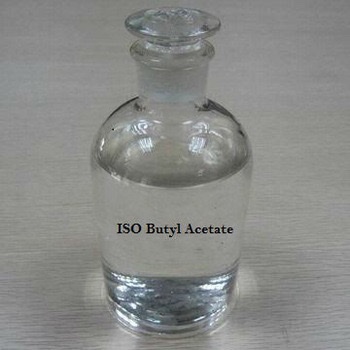
Butyl acetate
Butyl Acetate (Butyl Acetate)
1. Product Overview
n-Butyl Acetate (also known as Butyl Acetate or Acetic Acid n-Butyl Ester) is a clear, colorless liquid with a characteristic fruity odor. It is an essential organic chemical intermediate and a high-performance, environmentally preferable solvent widely used across multiple industries.
Chemical Formula: C₆H₁₂O₂
CAS Number: 123-86-4
EINECS Number: 204-658-1
Molecular Weight: 116.16 g/mol
As a low-toxicity solvent with excellent solvency power, n-Butyl Acetate serves as an ideal replacement for conventional aromatic solvents (such as toluene and xylene) and ketones, aligning with increasingly stringent global environmental regulations on VOC emissions.
2. Physical & Chemical Properties
| Property | Specification |
|---|---|
| Appearance | Clear, colorless liquid |
| Odor | Pleasant fruity odor |
| Specific Gravity (20/20°C) | 0.881 – 0.885 |
| Boiling Point | ~126°C |
| Melting Point | –73.5°C to –78°C |
| Flash Point (Closed Cup) | 22°C – 28°C |
| Autoignition Temperature | 421°C (approx. 790°F) |
| Explosive Limits | 1.4% – 8.0% (by volume in air) |
| Vapor Density | 4 (air = 1) |
| Vapor Pressure | 15 mmHg at 25°C |
| Solubility | Slightly soluble in water; miscible with alcohols, ketones, ethers, and most organic solvents |
| Viscosity (20°C) | ~0.734 mPa·s |
| Refractive Index (n²⁰/D) | 1.394 |
3. Specifications (Typical)
| Parameter | Specification |
|---|---|
| Purity (GC) | ≥ 99.0% – 99.5% |
| Color (APHA) | ≤ 10 |
| Water Content | ≤ 0.10% |
| Acidity (as CH₃COOH) | ≤ 0.01% |
| Residue after Evaporation | ≤ 0.001% – 0.005% |
| Distillation Range (122–128°C) | ≥ 97 ml |
4. Key Applications
4.1. Paints, Coatings & Inks (Primary Application)
n-Butyl Acetate is one of the most important solvents in the coatings industry, accounting for over 60% of its consumption. It effectively dissolves a wide range of film-forming resins including nitrocellulose, cellulose acetate butyrate, polystyrene, and chlorinated rubber. Its moderate evaporation rate ensures proper leveling and flow, preventing defects such as sagging or blushing. It is a critical component in automotive paints, furniture lacquers, industrial coatings, and printing inks.
4.2. Adhesives & Synthetic Leather
Used as a solvent in adhesive formulations and in the manufacturing of synthetic leather and plastic coatings.
4.3. Pharmaceutical & Extraction Solvent
Functions as a reaction medium and extraction solvent in pharmaceutical manufacturing, as well as in the extraction of antibiotics and petroleum processing.
4.4. Flavors & Fragrances
Due to its strong fruity aroma, it is used in flavoring agents for banana, pear, pineapple, and strawberry. It is also applied in perfumery as a top-note modifier.
4.5. Analytical & Laboratory Use
Employed as a reference standard in chromatographic analysis and as a reagent for the detection of thallium, tin, and tungsten.
5. Safety & Handling
5.1. Hazard Classification
n-Butyl Acetate is classified as a flammable liquid (Category 3). Its vapor can form explosive mixtures with air and may travel to distant ignition sources.
UN Number: 1123
Hazard Class: 3 (Flammable Liquid)
Packing Group: III
5.2. Health Hazards
Classified as low to moderate toxicity, but exposure may cause:
Irritation to eyes and respiratory tract.
Drowsiness or dizziness upon high-concentration inhalation due to central nervous system depression.
Workplace Exposure Limit (OEL): 300 mg/m³ (ACGIH).
5.3. First Aid Measures
| Exposure Route | Action |
|---|---|
| Inhalation | Remove to fresh air. Administer oxygen or artificial respiration if necessary. Seek medical attention. |
| Skin Contact | Wash immediately with soap and plenty of water. Remove contaminated clothing. |
| Eye Contact | Rinse thoroughly with water for at least 15 minutes. Seek medical attention. |
| Ingestion | Do NOT induce vomiting. Rinse mouth. Seek medical attention immediately. |
5.4. Fire-Fighting Measures
Suitable Extinguishing Media: Alcohol-resistant foam, CO₂, dry chemical, or sand.
Do Not Use: Water jet (ineffective). Water spray may be used to cool fire-exposed containers.
6. Packaging & Storage
| Item | Details |
|---|---|
| Packaging Options | Steel drums (approx. 160 kg/drum), 200L barrels, IBC tanks, and small glass bottles for laboratory use. |
| Storage Conditions | Store in a cool, well-ventilated area away from sources of ignition. Keep container tightly closed. |
| Temperature | Recommended storage below 30°C. |
| Incompatibilities | Keep away from oxidizing agents, acids, and alkalis. Do not store together. |
7. Environmental Advantage & Market Trends
With tightening global regulations on VOC emissions, n-Butyl Acetate is increasingly preferred over conventional toxic solvents such as benzene, toluene, and ketones. Its excellent solvency combined with a favorable toxicological profile makes it a green solvent of choice for modern industrial applications.
Current industry development focuses on energy-efficient production technologies including catalytic distillation and heat-pump distillation, aiming to further reduce the carbon footprint of manufacturing processes.