N,N-Dimethylformamide-DMF
N,N-Dimethylformamide-DMF
N,N-Dimethylformamide (DMF)
1. Product Identification
N,N-Dimethylformamide is a widely used polar aprotic solvent belonging to the formamide family. Known for its exceptional dissolving power and chemical stability, it is often referred to as a "universal solvent" and plays a critical role in the chemical, pharmaceutical, agrochemical, and polymer industries.
| Parameter | Detail |
|---|---|
| Chinese Name | N,N-二甲基甲酰胺 |
| English Name | N,N-Dimethylformamide |
| Synonyms | DMF, Dimethylformamide, Formyldimethylamine |
| CAS Number | 68-12-2 |
| Molecular Formula | C₃H₇NO or HCON(CH₃)₂ |
| Molecular Weight | 73.09 g/mol |
| EINECS Number | 200-679-5 |
2. Physical and Chemical Properties
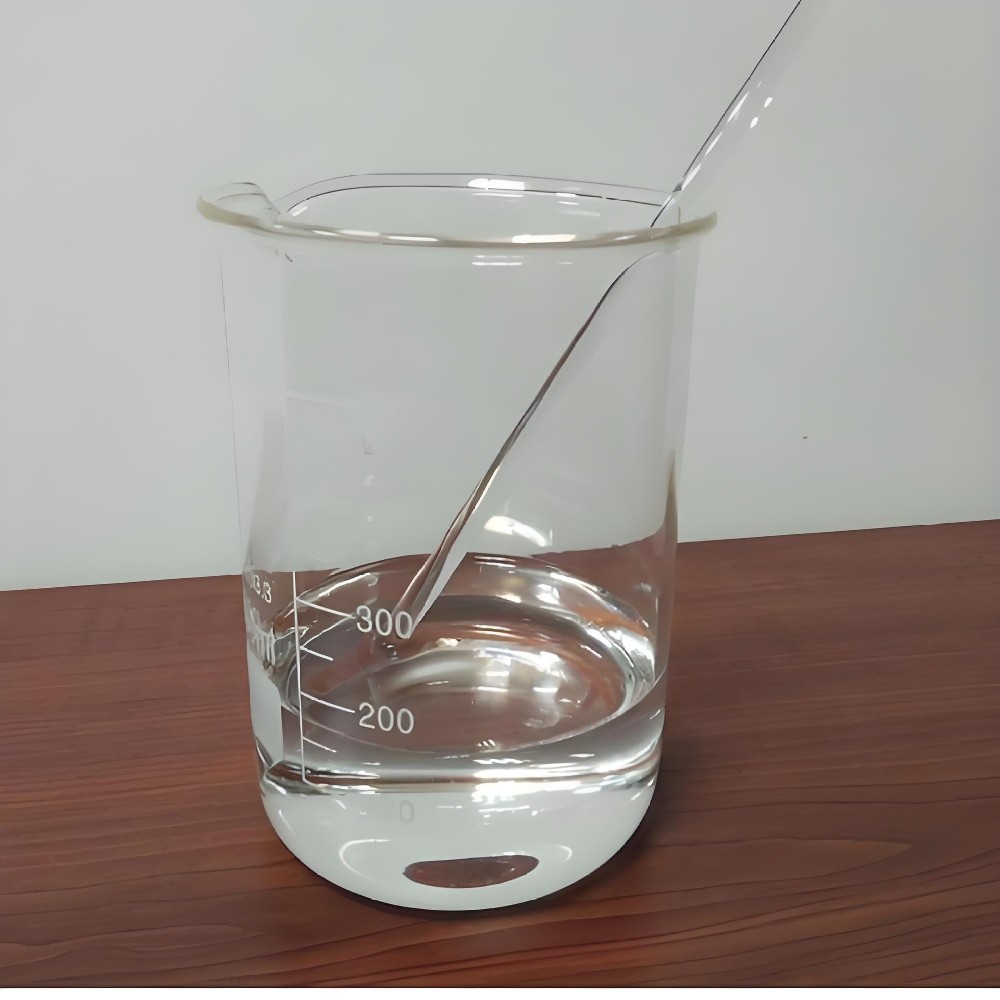
DMF is a colorless, transparent liquid with a faint, characteristic amine-like odor; high-purity grades are nearly odorless. It is hygroscopic and miscible in all proportions with water and most organic solvents.
| Parameter | Specification |
|---|---|
| Melting Point | -61 ℃ |
| Boiling Point | 152.8 – 153 ℃ |
| Density (20℃) | 0.944 – 0.95 g/mL |
| Flash Point (Closed Cup) | 58 ℃ |
| Autoignition Temperature | 440 – 445 ℃ |
| Explosion Limit (in Air) | 2.2% – 15.2% (by volume) |
| Vapor Pressure (20℃) | 0.35 – 0.49 kPa |
| Refractive Index (n20/D) | Approx. 1.430 |
3. Product Specifications and Quality Control
Industrial and reagent-grade DMF typically meets the following quality parameters, with purity generally exceeding 99.0% – 99.9%.
| Parameter | Typical Specification |
|---|---|
| Appearance | Clear, colorless liquid, free from suspended matter |
| Assay (by GC) | ≥ 99.5% |
| Water Content | ≤ 0.1% (low-moisture grades available upon request) |
| Residue on Evaporation | ≤ 0.005% |
| Acidity (as H⁺) | ≤ 0.1 mmol/100g |
| Alkalinity (as OH⁻) | ≤ 0.1 mmol/100g |
| Color (APHA) | ≤ 10 |
4. Major Applications
4.1 Polymer and Chemical Industry Solvent
DMF exhibits excellent solubility for a wide range of high-performance polymers, including polyacrylonitrile, polyurethane, polyvinyl chloride, and polyamides. It is extensively used in dry-spinning processes for acrylic fibers, synthetic leather manufacturing, aromatics extraction (e.g., separation of butadiene and isoprene), and plastic film production.
4.2 Organic Synthesis and Pharmaceutical/Agrochemical Intermediates
As a polar inert solvent, DMF is widely employed to facilitate various organic reactions. In the pharmaceutical industry, it is used in the synthesis of vitamins, hormones, sulfa drugs, and doxycycline. In the agrochemical sector, it serves in the production of pesticides such as chlordimeform.
4.3 Analytical and Laboratory Applications
DMF is utilized as a non-aqueous titration solvent and as a stationary phase for gas chromatography (operating temperature below 50 ℃) to separate C2–C5 hydrocarbons and butene isomers. It is also applicable in high-performance liquid chromatography (HPLC) and capillary electrophoresis.
4.4 Other Specialized Uses
It functions as a gas absorbent for gas separation and purification, finds application in electronic circuit board cleaning, and is used in peptide synthesis and the photographic industry.
5. Safety, Handling, and Storage Information
Hazard Classification: DMF is classified as a Flammable Liquid (Category 3) and carries Reproductive Toxicity (Category 1B). It is irritating to the eyes and skin and can be absorbed through the skin, causing systemic health effects.
Storage: Must be stored in a cool, well-ventilated warehouse, away from ignition sources and heat. Keep containers tightly sealed. Strictly segregate from oxidizing agents, reducing agents, and halogens – do not store together with incompatible materials.
Operational Precautions: Personnel must be properly trained and equipped with filtered air-purifying respirators, chemical safety goggles, chemical protective clothing, and rubber gloves. Smoking is strictly prohibited in the work area, and explosion-proof ventilation equipment must be used.
Firefighting Measures: Use alcohol-resistant foam, dry powder, carbon dioxide, or sand for extinguishing. Under high-temperature conditions, contact with open flames or strong oxidizers may cause combustion or explosion hazards. Thermal decomposition products include carbon monoxide and nitrogen oxides.
Spill Response: Evacuate personnel immediately and eliminate all ignition sources. Emergency responders must wear positive-pressure self-contained breathing apparatus. Small spills may be absorbed with sand; for large spills, dike the area for containment and transfer the liquid to a dedicated collection container using explosion-proof pumps.
6. Toxicological Information and First Aid Measures
Toxicology: DMF is classified as moderately toxic (low acute toxicity) but can be absorbed via inhalation, ingestion, and dermal contact. Acute exposure primarily irritates the eyes and respiratory tract and can cause severe liver damage, manifesting as hepatomegaly, jaundice, and elevated liver enzymes.
First Aid Procedures:
Skin Contact: Remove contaminated clothing immediately. Rinse skin with copious amounts of running water for at least 15 minutes.
Eye Contact: Rinse immediately with plenty of water or normal saline for at least 15 minutes, holding eyelids open.
Inhalation: Move the affected person to fresh air immediately. Keep the airway open and administer oxygen or artificial respiration if necessary.
Ingestion: Rinse mouth, give plenty of warm water to induce vomiting, and seek immediate medical attention.
Important Note: Toxic symptoms may appear after a delayed onset (several hours to days). All exposed individuals should receive medical observation regardless of initial symptom presentation